Durham Fair 2026: Visitor's Guide to Connecticut's Largest Fair

The Durham Fair has been Connecticut's premier agricultural and entertainment event since 1916, and 2026 marks another spectacular year. Held annually in late September at the historic Durham Fairgrounds, this massive event draws over 200,000 visitors and remains one of the largest multi-day fairs in New England. Whether you're planning your first visit or returning for the 111th edition, this guide will help you make the most of your time at Durham Fair.
What to Expect at Durham Fair
Durham Fair is a full-scale traditional American fair that celebrates agriculture, rural heritage, and entertainment. The fairgrounds cover 170 acres and feature hundreds of exhibitors, multiple entertainment stages, livestock competitions, a sprawling midway, award-winning food vendors, and attractions for every age group.
The fair's agricultural legacy remains strong. Livestock competitions—including dairy cattle, beef cattle, horses, poultry, and small animals—draw serious competitors from across the Northeast. Durham also runs open exhibit departments — photography, baking, canning, crafts and needlework — each with its own entry deadline; our guide to entering a fair competition explains the premium book and how those dates work. If you're interested in rural life and animal husbandry, the livestock barns are absolutely worth exploring. You'll see expert handlers showcasing champion animals and can learn directly from farmers about their breeding and care practices.
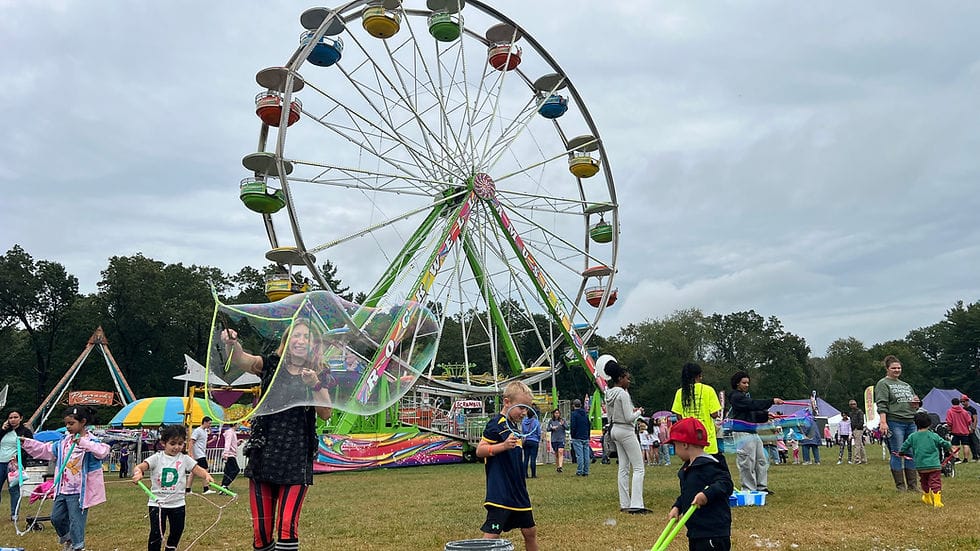
The midway is the heart of the fair experience for many visitors. Classic carnival rides, games of chance, and interactive attractions create an electric atmosphere, especially after sunset when the lights illuminate the entire fairgrounds. Unlike some regional fairs that have scaled back midway operations, Durham maintains a robust selection of rides and entertainment.
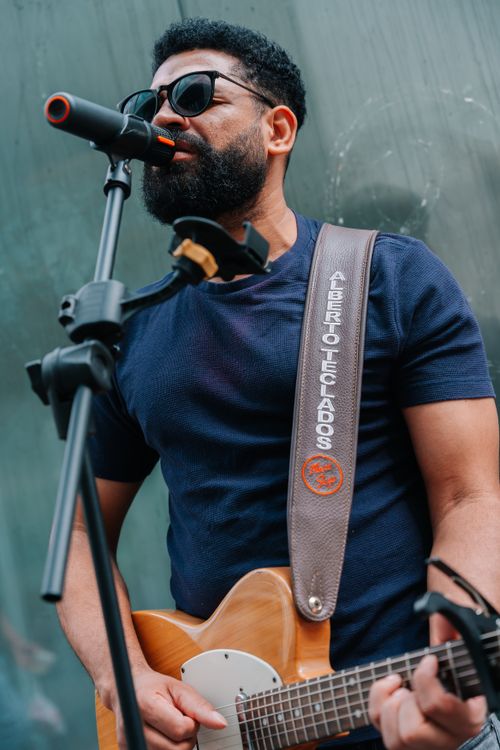
The entertainment lineup features national touring acts, local bands, comedy performances, and specialty shows on multiple stages throughout the grounds. Previous years have hosted everything from country music stars to magic shows to demolition derbies. The fair's website announces the current year's entertainment schedule well in advance, so check early if you want to plan around specific acts.
Food is a major draw. Durham Fair's vendors range from traditional fair fare—corn dogs, fried dough, kettle corn—to innovative food trucks featuring everything from lobster rolls to vegan options. Many vendors have operated at the fair for decades and have devoted followings who plan their visits around getting their favorite foods.
When to Visit: Timing and Dates
For 2026, Durham Fair runs September 24–27. The four-day format gives you flexibility, but timing matters for your experience:
Weekends vs. Weekdays: If you go on Friday or Saturday (September 25–26), expect peak crowds, especially late afternoon through evening. Friday nights draw the younger demographic and are particularly lively. Sundays are progressively less crowded as the fair concludes. If you prefer a more relaxed pace, Wednesday (the first day) offers a quieter experience—parking is easier, lines are shorter, and you can actually move through the livestock barns—but some vendors may not yet be in full operation.
Opening vs. Closing: Hours vary by day — check the official Durham Fair website for current schedules. Arriving early gives you shorter parking lines and more manageable crowds before 2 p.m. Many vendors and attractions are freshest in the morning.
Evening Experience: The fair transforms after dark. The midway lights up spectacularly, entertainment stages become more vibrant, and the temperature drops, making it comfortable for walking. If you come only during daytime, you miss half the fair's magic.
Practical Information
Parking: The fairgrounds have substantial parking, with multiple lots filling progressively during peak hours. Plan to arrive before 2 p.m. on weekends if you want premium parking close to the gate. Parking is free, though some overflow areas may be further from the main entrance. The fairgrounds recommend using early morning or late afternoon arrival windows.
Admission: Check the official Durham Fair website for current admission pricing. Rides require additional tickets (either individual ride tickets or wristbands for unlimited rides). The fair occasionally offers early-bird discounts or loyalty pricing, so check the official website.
What to Bring: Comfortable walking shoes are essential—the fairgrounds are extensive and you'll easily walk 3–4 miles exploring everything. Sunscreen and a hat are necessary even in late September. Bring cash, though most major vendors accept cards. A phone charger or portable battery extends your endurance through the evening.
Accessibility: Durham Fair provides ADA-accessible pathways throughout the grounds, accessible restrooms, and parking reserved for people with disabilities. Service animals are welcome. The fair can accommodate mobility devices, though the terrain is uneven in some areas. Contact the fair office in advance if you need specific accessibility assistance.
What's New and What's Permanent
The Durham Fair maintains beloved traditions while updating attractions. The livestock competitions remain central to the fair's identity, the demolition derby is a perennial draw (typically held on Saturday or Sunday), and the midway continues expanding. Check the current year's schedule for new entertainment acts and any temporary installations or special programming.
The fairgrounds have undergone gradual improvements over recent years, including updated barns, new vendor spaces, and improved facilities. These enhancements make the fair more comfortable while preserving its authentic rural fair character.
Regional Context: Durham Fair in Connecticut
Durham Fair is the largest event of its kind in Connecticut and ranks among the top agricultural fairs in the United States by attendance. The event anchors Connecticut's fall fair season, which includes smaller but excellent events like the Hebron Harvest Fair (held earlier in September) and other regional fairs. For visitors seeking a full Connecticut fair experience, combining Durham Fair with the Hebron Harvest Fair provides the best view of the state's agricultural heritage.
See our comprehensive guide to Connecticut fairs and festivals for more events in the state, or explore the broader New England fair season guide.
Frequently Asked Questions
How early should I arrive on peak days? Plan to arrive by noon on Saturdays if you want convenient parking. Arriving after 4 p.m. is an alternative strategy—parking is more available as daytime visitors leave, and you get the full evening experience without the afternoon crowds.
Are strollers and wheelchairs practical for getting around? Strollers work on main pathways, though you'll face terrain challenges in some areas. The fairgrounds are very large, so stroller users should plan to cover perhaps 40% of the fair rather than trying to see everything.
Can I bring my own food or coolers? Outside food is typically not permitted to support local food vendors. Coolers are usually prohibited as well. However, the food variety is extensive and prices are fair compared to similar venues.
What's the best strategy for seeing everything? Impossible in a single visit. Choose 2–3 priorities (livestock, midway rides, specific entertainment acts, particular vendors) and focus on those. Many visitors return multiple times during the four-day run.
Are there discounted tickets or special promotions? The fair often offers online pre-purchase discounts on admission, typically available 1–2 weeks before the event. Sign up for the mailing list on the official website to receive promotion codes.
What's the weather typically like? Late September in Connecticut averages 50–70°F, with possible rain. Dress in layers and bring a light jacket or rain option. The fair operates rain or shine.
How long should I plan to spend at the fair? Most visitors spend 4–6 hours experiencing their priority attractions. Complete fair exploration takes 8–10 hours or multiple visits.
More Connecticut Fair Guides
- Connecticut Fairs and Festivals 2026: Your Complete Guide — the full month-by-month state calendar
- Hebron Harvest Fair 2026: Visitor's Guide — the community-run fair worth pairing with Durham
- New England Fair Season 2026: Your Master Guide — fairs across all six New England states
Last updated: April 2026