First-Time Gun Show Buyer's Guide: What to Know Before You Buy
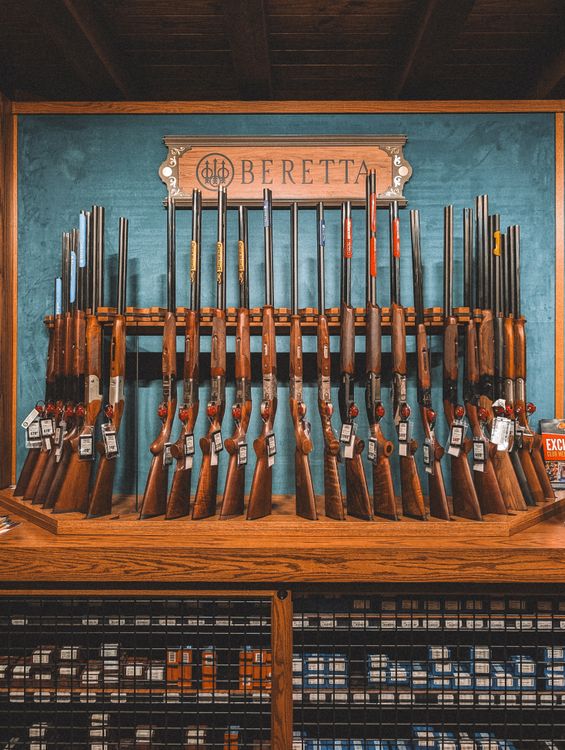 Photo on Pexels
Walking into a gun show for the first time can be intimidating — rows of tables covered in firearms, crowds of people who seem to know exactly what they're doing, and a general atmosphere that assumes you already know the rules. You don't need to be an expert to buy at a gun show, but a little preparation goes a long way.
Here's what first-time buyers should know before they walk through the door.
How Buying at a Gun Show Works
Gun shows are essentially large indoor marketplaces where licensed dealers and private sellers set up tables to sell firearms, ammunition, and accessories. The buying process is straightforward, but it follows the same legal requirements as any other firearm purchase.
From a licensed dealer (FFL holder): You'll fill out a Form 4473 (the federal background check form), show a valid government-issued photo ID, and the dealer will run a background check through the NICS system. This is the same process you'd go through at any gun store. The dealer handles the paperwork, and assuming the check clears, you complete the purchase.
From a private seller: Private sales at gun shows vary by state law. In Vermont, private sales between residents are legal without a background check for long guns, though some restrictions apply. Know your state's laws before the show — this is your responsibility as a buyer.
Important: This guide isn't legal advice. Firearms laws change, and the specifics vary by state. Always verify current laws in your state before purchasing at a gun show.
What to Bring
Government-issued photo ID. A driver's license or state ID is required for any purchase from a licensed dealer. No ID, no sale.
Cash. Many dealers accept cards, but private sellers almost universally prefer cash. Having cash also gives you negotiating leverage — a "what would you take for cash?" offer is a standard part of gun show culture.
A list of what you're looking for. Gun shows are overwhelming. Hundreds of tables with thousands of items. Walking in with a clear idea of what you want — a specific model, caliber, or type of firearm — keeps you focused and prevents impulse purchases.
A phone with price references. Before you buy, check online prices for the same make and model. Gun show prices are sometimes excellent deals, sometimes fair, and occasionally overpriced. Knowing the market value helps you negotiate.
A bore light (optional). If you're looking at used firearms, a small bore light lets you inspect the barrel for pitting, corrosion, or wear. This is a simple tool that can save you from buying a problem gun.
A gun case or sock. If you're purchasing a firearm, you'll need something to carry it to your car. Some shows provide bags, but bringing your own is more reliable.
How to Get a Good Deal
Walk the entire show first. Don't buy the first thing you see. Do a full lap, note which dealers have what you're looking for, compare prices, and then circle back. The same model can vary by $50–150 from table to table.
Ask "what's your best cash price?". This is expected at gun shows. Most dealers have some room to negotiate, especially on used firearms. Be respectful but direct.
Go on the last day. Dealers don't want to pack up and haul inventory home. Prices tend to soften on Sunday afternoon (or whatever the final day is). If you're flexible on timing, this is when the best deals happen.
Look at the back of the table. The most visible items are often the most expensive. Ask dealers if they have anything in the back or under the table that isn't on display — older inventory, trade-ins, or items they haven't gotten around to pricing yet.
Buy ammo and accessories. Gun shows are often the best place to find deals on ammunition, holsters, magazines, cleaning kits, and other accessories. Even if you don't buy a firearm, the accessories can make the trip worthwhile.
Etiquette at the Show
Don't touch without asking. Many tables have signs, but even when they don't — ask before you pick up any firearm. "May I?" is all it takes.
Keep the muzzle pointed in a safe direction. Even though firearms on the show floor are unloaded and often zip-tied, treat every firearm as if it were loaded. Keep the muzzle pointed down or away from people.
Don't dry-fire without permission. If you want to check the trigger, ask the dealer first. Some don't mind; others will decline.
Be patient. Popular dealers get busy. If someone is in the middle of a transaction, wait your turn.
Related Reading
Get the full picture before you go:
- What to Bring to a Gun Show — a checklist for buyers and sellers
- Collecting Vintage Firearms at New England Gun Shows — for collectors looking to build a collection
- Gun Shows in New England 2026 — your complete schedule and guide
- Concord Shriners Gun Show - January — event listing and details
Last updated: April 2026