Craft Fairs vs. Agricultural Fairs in New England: What's the Difference?
 Photo on Pexels
People use the word "fair" to describe a lot of different events in New England — and not all of them involve livestock barns, harness racing, or a midway full of rides. If you've ever wondered what the difference is between a craft fair and an agricultural fair, you're not alone. Here's the breakdown.
What Is an Agricultural Fair?
Agricultural fairs are the classic, full-scale fairs that most people picture when they hear the word. They've been a New England tradition for over 200 years, and many are organized by agricultural societies that date back to the 1800s.
At an agricultural fair, you'll typically find: livestock competitions (cattle, sheep, goats, pigs, poultry, rabbits), harness racing, ox and horse pulling events, a midway with carnival rides and games, agricultural exhibits (prize-winning vegetables, baked goods, quilts, jams), live entertainment (demo derbies, tractor pulls, concerts), and a wide variety of food vendors. Those exhibits are open for the public to enter, not just to walk past — here is how fair competitions and premium books work.
These are multi-day events — often running for four days to a full week — held at permanent fairgrounds with barns, grandstands, and exhibition halls. The big ones in New England include the Fryeburg Fair in Maine, the Big E in Massachusetts, the Champlain Valley Fair in Vermont, and the Deerfield Fair in New Hampshire.
Agricultural fairs are rooted in farming communities and exist to celebrate and showcase local agriculture. The competitions matter to the farmers and 4-H kids who participate, and the tradition runs deep.
What Is a Craft Fair?
Craft fairs are events focused on handmade goods, artisan products, and small-scale makers. They range from small church-basement affairs with a dozen tables to large curated markets with hundreds of vendors.
At a craft fair, you'll typically find: handmade jewelry, pottery, woodworking, textiles, candles, soaps, and home goods. Many craft fairs also include food vendors, live music, and seasonal decorations, but the core experience is shopping — browsing vendor booths and buying directly from the people who made the products.
Craft fairs are usually one-day or weekend events, often held at community centers, school gyms, fairgrounds (repurposed for the day), or outdoor spaces. They happen year-round, with a heavy concentration in the fall and holiday season.
The Key Differences
Scale and duration. Agricultural fairs run for multiple days and can draw tens of thousands of visitors. Craft fairs are typically shorter and smaller.
Activities. Agricultural fairs offer a full range of entertainment — rides, pulling competitions, racing, demos. Craft fairs are primarily about shopping and browsing.
Livestock. If there are barns full of cows and chickens, it's an agricultural fair. Craft fairs don't have livestock.
Tradition. Agricultural fairs are tied to specific fairgrounds and have been running, in some cases, for over a century. Craft fairs are more flexible — they pop up in different locations and can be organized by anyone.
Admission. Agricultural fairs usually charge admission and parking fees. Many craft fairs are free to attend.
Vendor type. Craft fair vendors are selling handmade or artisan goods. Agricultural fair vendors include a wider mix — food stands, game booths, commercial exhibitors, and farm equipment dealers alongside craft sellers.
Where They Overlap
The lines aren't always clean. Many agricultural fairs include a craft show or artisan marketplace as part of their programming — the Topsfield Fair in Massachusetts is known for its large craft section, and the Common Ground Country Fair in Maine is essentially a hybrid of agricultural exhibition and artisan market.
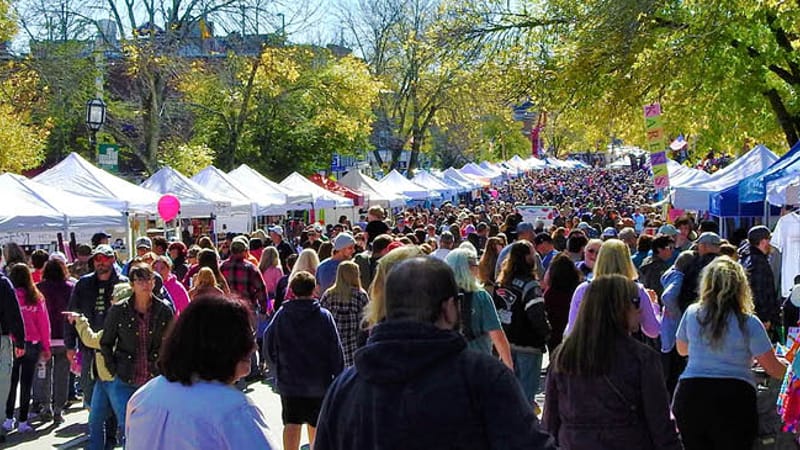
Similarly, some craft fairs take on fair-like qualities — adding food trucks, live music, and kids' activities that blur the line between a market and a festival.
And then there are specialty events like fiber festivals (the NH Sheep and Wool Festival, the Vermont Sheep and Wool Festival) that combine elements of both — livestock demonstrations alongside artisan vendors selling yarn, fleece, and handmade fiber goods.
Which One Should You Go To?
Go to an agricultural fair if: you want a full-day experience with rides, animals, food, and entertainment. Bring the whole family and plan to stay for several hours.
Go to a craft fair if: you want to browse handmade goods, support local makers, and find unique gifts. These are great for a morning or afternoon outing, especially in the holiday season.
Go to both. There's no rule that says you have to pick. The New England calendar has room for all of it. Learn more in our guide to New England fair season.
Find agricultural fairs, craft fairs, and everything in between on Meet Me at the Fair.
State-Level Craft Fair Guides
Ready to find craft fairs in your region? Check out these comprehensive state guides:
- Craft Fairs in Maine 2026: A Vendor's and Visitor's Guide — Maine craft fair circuit and opportunities
- Craft Fairs in New Hampshire 2026: A Vendor's and Visitor's Guide — New Hampshire craft fairs and artisan markets
- Craft Fairs in Vermont 2026: A Vendor's and Visitor's Guide — Vermont craft fair and artisan market guide
- Craft Fairs in Massachusetts 2026: A Vendor's and Visitor's Guide — Massachusetts craft fair opportunities
More New England Fair Season Guides on Meet Me at the Fair
- New England Fair Season 2026: Your Guide to the Best Fairs, Festivals, and Shows
- How to Plan a New England Fair Season Road Trip
- What to Wear to a New England Fair: A Seasonal Guide
- New England Fair Food Bucket List: What You Have to Try
- Best New England Fairs for Families with Kids
Last updated: April 2026