Craft Fairs in Vermont 2026: A Vendor's and Visitor's Guide
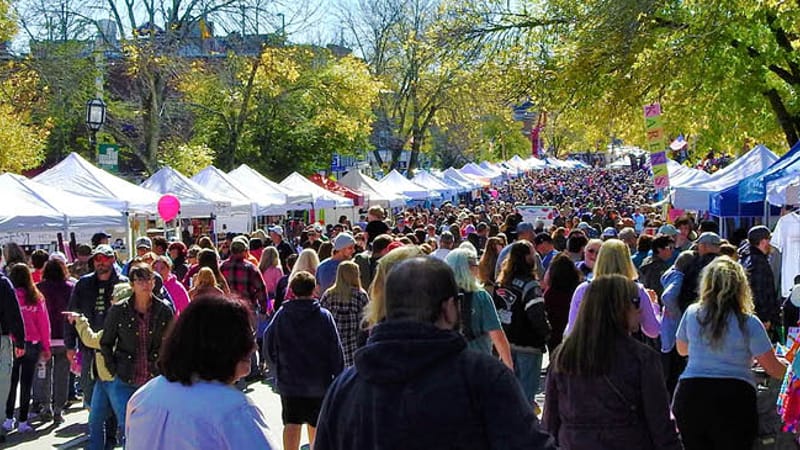
 Photo on Pexels
Vermont's craft fair scene looks different from Maine's or New Hampshire's. The Green Mountain State doesn't run a high-volume craft fair calendar — the formal "craft fair" event count is modest. But Vermont compensates with a remarkably strong year-round artisan-market culture, a tight community of independent craftspeople, and a few flagship juried shows that punch well above the state's population.
This guide covers Vermont's 2026 craft fair calendar plus the broader artisan market scene that vendors and craft-fair shoppers should know about. Whether you're shopping for handmade Vermont gifts, evaluating Vermont as a vendor market, or planning a foliage trip that includes craft browsing, this is your starting point.
Why Vermont for Craft Fairs
Vermont's craft scene runs on a different model than its neighbors.
Year-round artisan markets, not weekend craft fair circuits. While Maine and New Hampshire run dozens of weekend craft fairs at fairgrounds, church halls, and community centers, Vermont's craft commerce happens more often at year-round markets, working artisan studios, and seasonal farmers/artisan markets in towns like Stowe, Woodstock, Brattleboro, and Burlington.
Low population density rewards destination shopping. Vermont has the second-smallest population of any state east of the Mississippi. That means craft fair visitors tend to be either Vermont residents who already know their local markets, or destination tourists making a foliage trip or ski-resort weekend. The shows that work in Vermont are the ones that integrate well with tourism — the foliage-season fairs, the ski-resort markets, the destination-town artisan shows.
The maker community is highly skilled. Vermont punches above its weight in fine craft. Bennington Pottery, Simon Pearce glass, Laughing Stock Furniture, Vermont Country Store, and a wide range of independent furniture makers, fiber artists, ceramicists, and food producers have made Vermont a recognized fine-craft state. The juried shows that exist (Vermont Sheep & Wool, Vintage Market Days) maintain high vendor standards.
Tax structure is favorable. Vermont does have a 6% sales tax, but the state's ag-and-craft-friendly regulations make it relatively easy for small producers to sell directly. Cottage food laws are reasonably permissive.
Meet the makers between shows. Beyond the calendar, the Meet Me at the Fair Vermont vendor directory lists hundreds of Vermont artisans, food producers, and craft businesses. It's a browsing tool for shoppers looking to discover a maker's work between fair appearances, and a reference for vendors sizing up the state's craft community.
The Anchor Craft Events
Vermont's 2026 calendar has several major events that define the state's craft scene.
Quechee Hot Air Balloon Craft & Music Festival (June 19–21, 2026)
The 2026 Quechee Hot Air Balloon Festival at Quechee Festival Grounds is one of Vermont's most distinctive multi-day events — combining 20 hot air balloons (including dawn launches and tethered rides), 50+ craft artisans and commercial vendors, live music, kids' activities, and a beer garden. The festival's June timing makes it a perfect early-summer destination event for vendors looking to start the season strong.
Vermont Sheep & Wool Festival (October 3–4, 2026)
The Vermont Sheep & Wool Festival at Tunbridge in early October is the marquee fiber arts event of the year for Vermont — and one of the most respected sheep & wool festivals in the Northeast. Held at the Tunbridge Fairgrounds, the festival features fleece sales, yarn vendors from across New England and beyond, spinning and weaving demonstrations, sheepdog trials, and a substantial workshop schedule for fiber artists at all levels.
For fiber-focused vendors (yarn, fiber preparation, spinning wheels, looms, knitting and crochet patterns, fiber-art supplies), this is the show to plan around. The buyer crowd is committed — fiber arts enthusiasts travel for this event.
Stowe Foliage Arts Festival (October 9–11, 2026)
The Stowe Foliage Arts Festival returns in 2026 after a one-year hiatus following the October 2024 windstorm that devastated the prior festival. Held at Mayo Farm Events Field in the heart of Stowe village, the three-day juried fine craft show features 125+ artists and artisans, with live music and food vendors throughout. Peak foliage timing draws strong out-of-state buyer crowds, and the festival is widely considered the most prestigious juried fine-craft show in Vermont.
Vintage Market Days of Vermont — Fall 2026 (October 9–11, 2026)
Vintage Market Days of Vermont in Rutland is part of the national Vintage Market Days franchise — a curated, juried market focused on vintage-inspired, handmade, and antique goods. The fall 2026 edition runs three days at the Vermont State Fairgrounds in Rutland during peak foliage season, drawing both Vermont residents and out-of-state visitors making fall trips.
Vintage Market Days has a specific aesthetic — repurposed, farmhouse, vintage-industrial, and handmade-with-old-materials. If your work fits that style, this is a strong destination show. If your work is contemporary, look elsewhere.
South End Art Hop (September 11–13, 2026)
The South End Art Hop in Burlington is one of the largest open-studios events in New England — three days of artist studios, juried shows, music, and food along 1.5 miles of Pine Street and the surrounding South End Arts District. Run by the South End Arts and Business Association (SEABA), the event takes over the city's industrial-arts neighborhood the weekend after Labor Day and is essential for any maker or art-curious visitor in northern Vermont.
Aligning Your Vermont Craft Fair Trip with Peak Foliage Season
More than any other New England state, Vermont's craft fair calendar overlaps with peak foliage — a coincidence that makes the state a genuinely once-a-year destination for shoppers who care about both.
The core overlap:
Vermont's three marquee October craft events all cluster during the state's peak color window:
- Vermont Sheep & Wool Festival at Tunbridge (October 3–4, 2026) — early October, when Northern Vermont hits peak color in the Northeast Kingdom and Champlain Valley
- Stowe Foliage Arts Festival (October 9–11, 2026) — Columbus Day weekend, at or near peak in the Mad River Valley and Stowe area
- Vintage Market Days of Vermont at Rutland (October 9–11, 2026) — same weekend, central/western Vermont
For comparison, Massachusetts's Paradise City fall show (October 10–12) also falls in this window, but MA foliage peaks later (mid-to-late October) so the fair-and-foliage coincidence is less complete. Maine's Fryeburg Fair (early October) hits peak color in western Maine but doesn't have Vermont's craft density. No other New England state has this many top-tier juried craft events at this many peak-color locations on the same weekend.
Planning a foliage + craft trip:
- Northern Vermont route (early October): Sheep & Wool at Tunbridge → foliage viewing along Route 132 and I-89 → craft-shopping stops in Waitsfield and Warren → dinner in Stowe village.
- Central Vermont route (Columbus Day weekend): Vintage Market Days at Rutland → foliage on Route 100 north → Stowe Foliage Arts Festival Saturday and Sunday → return via Route 4 through Woodstock (craft galleries plus more foliage).
- Southern Vermont bonus: Bennington and Manchester are worth adding if you're driving up from Connecticut or Massachusetts — both have craft-and-foliage stops worth an afternoon.
Practical logistics:
Vermont accommodations spike 40–100% during foliage season, and both Columbus Day weekend (Vintage Market Days + Stowe Foliage) and the Sheep & Wool weekend routinely book out 3–6 months in advance. Book well ahead, or plan day trips from just across the border: Lake George (NY), Hanover (NH), or the Berkshires (MA). The drive from Hanover to Stowe on a foliage weekend is a great craft-and-foliage day itself.
For a broader take on combining foliage with fair-going, see our Vermont Fall Foliage and Fairs guide.
Agricultural Fair Craft Sections
Vermont's agricultural fairs all feature substantial craft and artisan vendor sections. While these aren't "craft fairs" in the strict sense, they're significant vendor opportunities.
- Champlain Valley Fair (late August, Essex Junction) — the largest fair in Vermont, with a major craft and commercial vendor area.
- Tunbridge World's Fair (mid-September) — historic agricultural fair with a strong craft vendor presence in its dedicated craft buildings.
- Caledonia County Fair (late August, Lyndonville) — Northeast Kingdom fair with strong craft vendor participation.
- Vermont State Fair (mid-August, Rutland) — substantial commercial and craft vendor space.
- Orleans County Fair (mid-August, Barton) — mid-size fair with craft section.
For a deeper look at how craft and agricultural fairs differ, see our Craft Fairs vs. Agricultural Fairs in New England guide.
Town-Based Artisan Market Circuits
Beyond the marquee shows above, several Vermont towns run significant year-round or seasonal artisan-market circuits that vendors should know about.
Stowe — beyond the Foliage Arts Festival, the ski-resort town runs a substantial summer and foliage-season artisan market calendar. Stowe's downtown is also home to multiple year-round craft and gallery shops.
Burlington — beyond the South End Art Hop, Vermont's largest city has a robust craft scene anchored by the Burlington Farmers Market (Saturdays in summer) and the Church Street Marketplace.
Quechee — beyond the Hot Air Balloon Festival in June, the Quechee village area has a strong year-round craft and gallery scene anchored by the Vermont Institute of Natural Science and Simon Pearce Glass.
Brattleboro — Vermont's southeastern arts hub runs Brattleboro Gallery Walks monthly throughout the year, and the region is home to a strong concentration of independent makers and farmsteads.
Woodstock — the Woodstock area runs multiple summer craft fairs, plus the year-round Saturday farmers markets. The Woodstock area is one of Vermont's most consistent destination shopping zones.
Manchester — southern Vermont's outlet town runs craft fairs throughout the year, often at the Equinox Resort or the Riley Rink at Hunter Park.
Hancock and the Mad River Valley — smaller-scale but consistent farmers/artisan markets throughout the summer in towns like Waitsfield, Warren, and Bristol.
Holiday Season Markets
Vermont's holiday craft market calendar runs primarily through farmers markets and town-center events from mid-November through mid-December. Notable annual events include:
- The Burlington Holiday Market (typically held at the ECHO Center or Hilton)
- Stowe Holiday Bazaar
- Brattleboro Holiday Stroll (early December)
- Multiple town-center holiday markets in Woodstock, Manchester, Killington, and Stowe
- Church-hall and school-fundraiser holiday craft fairs across nearly every Vermont town
These don't always make formal listings but are worth tracking down by checking town websites and Vermont arts council calendars.
Best For Each Type of Vendor
Best for fiber artists / yarn vendors:
- Vermont Sheep & Wool Festival (October, Tunbridge) — the marquee fiber event
- Champlain Valley Fair craft section (late August)
- Burlington Farmers Market summer schedule
Best for vintage/farmhouse-aesthetic vendors:
- Vintage Market Days of Vermont (October, Rutland) — the marquee vintage-aesthetic show
- Stowe Foliage Arts Festival (October)
Best for fine craft / juried makers:
- Stowe Foliage Arts Festival (October) — the largest juried fine-craft show in the state
- Vintage Market Days (juried, but specific aesthetic)
- South End Art Hop in Burlington (open studios + juried shows)
Best for farmers/food vendors:
- Burlington Farmers Market (year-round Saturday)
- Quechee Hot Air Balloon Festival (June, beer garden + food vendors)
- Champlain Valley Fair, Tunbridge World's Fair, Vermont State Fair (all have food vendor areas)
Best for makers wanting tourist/foliage traffic:
- Stowe Foliage Arts Festival (early October — peak foliage)
- Vermont Sheep & Wool Festival (October — peak foliage)
- Vintage Market Days of Vermont (October)
- Tunbridge World's Fair (September)
- Manchester area shows
Application Timelines
Vermont Sheep & Wool Festival: Vendor applications typically open in early spring (March-April) for the October show. Fiber-focused vendors get priority, and the show is moderately competitive.
Vintage Market Days of Vermont: Vintage Market Days has a national online application process. Applications for fall 2026 typically open in late spring or early summer. The aesthetic curation is strict — submit photos that fit the brand.
Stowe Foliage Arts Festival: Applications typically open 4–6 months before the October show. Run by Craftproducers; the jury process is competitive given the show's reputation as Vermont's most prestigious fine-craft fair.
South End Art Hop (Burlington): Applications typically open in spring for the September event. Open-studio participation is more accessible than the juried portion.
Quechee Hot Air Balloon Festival: Applications open in early spring for the June event.
Town farmers markets: Most Vermont town farmers markets accept applications year-round and have a rolling review process. Some require Vermont residency or in-state production; others accept out-of-state vendors.
Holiday season: Most Vermont holiday craft markets open applications between July and September.
Tips for First-Time Vermont Craft Fair Vendors
Vermont rewards fitting the local aesthetic. The state has a strong, recognizable look — natural materials, locally-made, farmhouse-traditional or modern-rustic, sustainability-conscious. Vendors whose work fits this aesthetic do well; vendors whose work fits a more generic mass-market aesthetic often struggle. Consider this when deciding whether Vermont is the right state for your work.
Build a multi-show year around the destination shows. Pick the Vermont Sheep & Wool Festival or Vintage Market Days as your anchor (depending on your aesthetic), then add 2–3 of the agricultural fair craft sections (Champlain Valley, Tunbridge, Vermont State Fair) plus a town-circuit summer market. That gets you 5–8 Vermont shows for the year without overcommitting.
The South End Art Hop in Burlington is worth a visit even if you don't apply. It's an open studios event where you can see how Vermont craft makers display, price, and market their work. Excellent education for anyone considering selling in Vermont.
Cross-state vendor work is common in Vermont. Many vendors at Vermont craft fairs are from neighboring NH, MA, and NY. Conversely, Vermont vendors often do shows across all of New England. The state borders are porous in the craft fair world.
For more vendor strategy:
- So You Want to Be a Craft Fair Vendor: A Beginner's Guide to Getting Started in New England
- How Many Items Should You Bring to a Craft Fair: A Simple Formula
- Craft Fair Booth Display Ideas That Actually Increase Sales
- Best Payment Apps for Craft Fair Vendors in 2026
- Do Craft Fair Vendors Need Insurance?
Are you a Vermont maker who exhibits at these shows? Claim your free vendor page on Meet Me at the Fair so shoppers can find you between events, browse your work, and see your upcoming show schedule. Free, takes about 2 minutes, and puts your booth in the same directory shoppers use to plan their craft-fair route.
FAQ: Craft Fairs in Vermont
When is craft fair season in Vermont? Vermont's formal craft fair season concentrates in late summer and fall, with the Vermont Sheep & Wool Festival (October), Vintage Market Days (October), and the Stowe Foliage Arts Festival (October) clustered around peak foliage. The artisan-market scene runs much wider — Burlington Farmers Market is year-round, town markets run May through October, and holiday markets run November through mid-December. The full year has events; the formal "fair" calendar is concentrated in autumn.
What's the best craft fair in Vermont? The three flagship events are the Vermont Sheep & Wool Festival in Tunbridge (best for fiber arts), Vintage Market Days of Vermont in Rutland (best for vintage/farmhouse-aesthetic), and the Stowe Foliage Arts Festival in Stowe (the most prestigious juried fine-craft show in the state). Which one is "best" depends entirely on what you make or what you're shopping for.
What's the best Vermont craft fair for first-time vendors? Town farmers markets are the most accessible entry point — applications are usually rolling, booth fees are low, and the shows are smaller and more forgiving. The Champlain Valley Fair and Tunbridge World's Fair craft sections are also relatively accessible. Vintage Market Days and the Stowe Foliage Arts Festival are juried; build a portfolio at smaller shows first.
How much do booth fees cost at Vermont craft fairs? Vermont booth fees range widely. Town farmers markets often charge $20–$60 per market day. Mid-tier shows like agricultural fair craft sections charge $100–$300 for the run. The juried destination shows (Vintage Market Days, Stowe Foliage) charge $250–$500+ for a multi-day weekend. Application fees of $25–$50 are common for juried shows.
When should I apply to a Vermont craft fair? Apply 4–6 months in advance for the major fall shows (Sheep & Wool, Vintage Market Days, Stowe Foliage). Apply 3–4 months in advance for summer agricultural fair craft sections. Town farmers markets are typically rolling — apply anytime, with most applications reviewed weekly or monthly.
Do I need to collect Vermont sales tax? Yes — Vermont has a 6% state sales tax. As a vendor, you'll need a Vermont sales tax license (free to obtain) and you must collect and remit sales tax on sales made in Vermont. The process is straightforward but it's a step you can't skip.
Which Vermont craft weekend is the best foliage-and-fair combination? Columbus Day weekend (October 9–11 in 2026) is the peak combination: both Vintage Market Days of Vermont in Rutland and the Stowe Foliage Arts Festival happen on that weekend, and central-Vermont foliage is typically at or near peak. If you can only do one Vermont craft weekend for the year and want maximum foliage payoff, this is the one — book accommodations 3–6 months out.
What's the Vermont craft scene known for nationally? Vermont punches above its weight in fine craft, with national recognition for ceramics (Bennington Pottery), glass (Simon Pearce), furniture, fiber arts (especially wool and quilting), and food/farmstead products (cheese, maple, beverages). The "Made in Vermont" brand is genuinely meaningful to consumers who associate the state with quality, sustainability, and small-batch production.
Cluster Deep-Dives
For more on specific Vermont craft fair events covered in this guide, see our deep-dive cluster posts:
- Vermont Sheep & Wool Festival 2026: Visitor's Guide
- Stowe Foliage Arts Festival 2026: Visitor's Guide
- Quechee Hot Air Balloon Craft & Music Festival 2026: Visitor's Guide
- Burlington South End Art Hop 2026: Visitor's Guide
Related Vermont Events
For full event details, dates, ticket links, and vendor application info, browse the Vermont craft fair calendar on Meet Me at the Fair, or visit individual event pages above. Also worth knowing about the broader Vermont fair calendar: see our Vermont Agricultural Fairs 2026 guide for the full state-level fair schedule.
More Vermont and New England Vendor Guides
- Vermont Agricultural Fairs 2026: Your Guide to the Best Fairs in the Green Mountain State
- Craft Fairs in Massachusetts 2026: A Vendor's and Visitor's Guide
- Vermont Maple Products at Fairs: A Tasting Guide
- Vermont Fall Foliage and Fairs: How to Combine the Best of Both
- Tunbridge World's Fair: Vermont's Most Storied Agricultural Fair
- So You Want to Be a Craft Fair Vendor: A Beginner's Guide to Getting Started in New England
- New England Fair Season 2026: Your Guide to the Best Fairs, Festivals, and Shows
- Craft Fairs vs. Agricultural Fairs in New England: What's the Difference?
Last updated: July 2026