Craft Fair Booth Display Ideas That Actually Increase Sales
You can have the best products at the entire fair and still get walked past if your booth doesn't stop people. The difference between a booth that sells and a booth that doesn't is almost never the product — it's the display.
Here's what actually works, based on what experienced vendors and visual merchandising research consistently show.
 Photo from Pexels
Start With Vertical Space
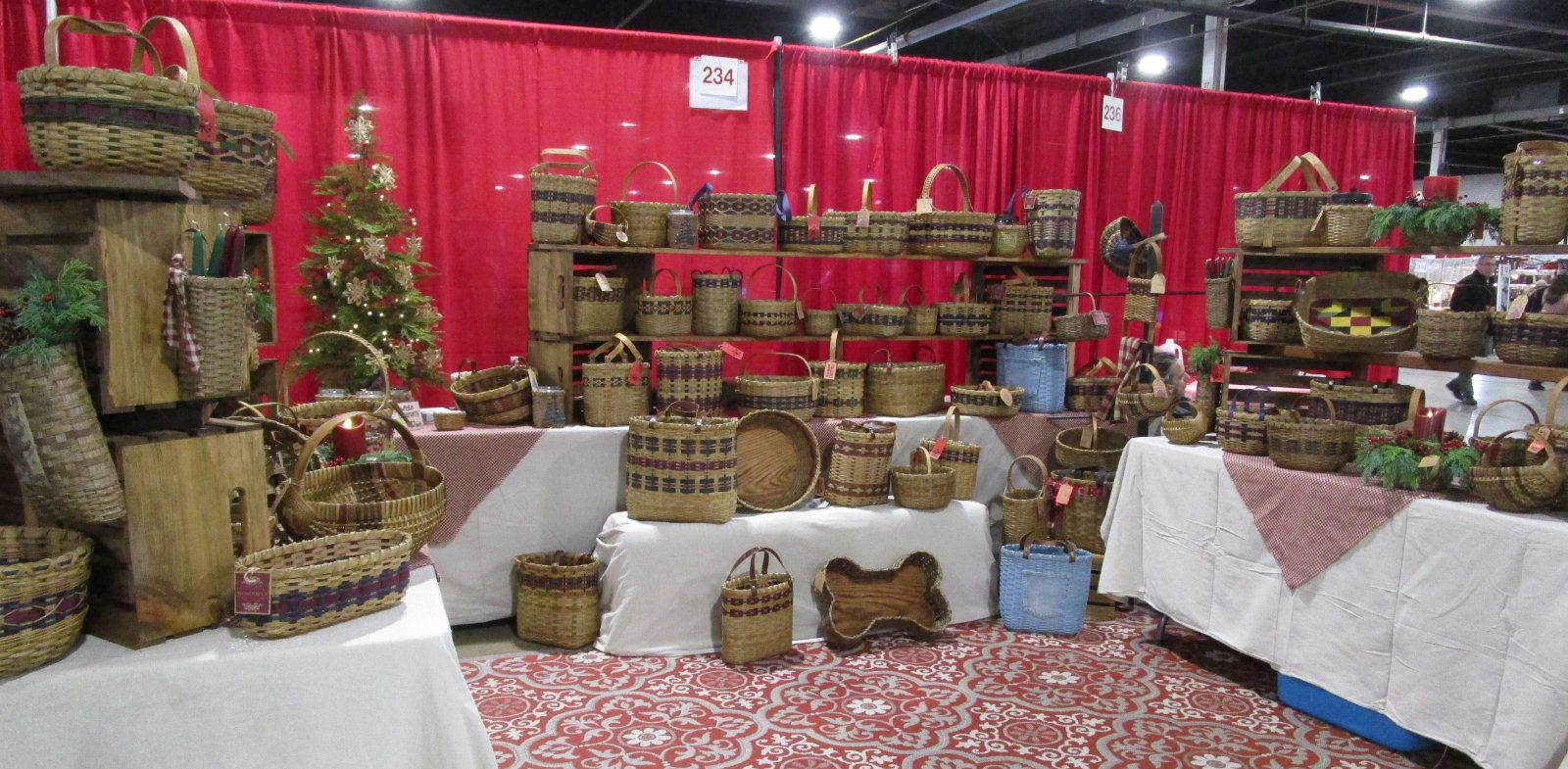
The single biggest upgrade most vendors can make is getting their products off the flat table and up to eye level. A table covered in items laid flat is hard to browse, hard to see from a distance, and blends in with every other booth at the fair.
Vendors who display at multiple heights — using risers, shelving units, wall-mounted fixtures, or tiered stands — see significantly more customer engagement. Some studies suggest the increase is as high as 30%.
Practical ways to go vertical:
- Wooden crate risers — stack them on your table to create 2–3 levels. Cheap, sturdy, and they look great.
- Grid wall panels — stand them behind your table for hanging displays. Great for jewelry, prints, bags, and small items.
- Pegboard walls — same idea, different aesthetic. Easy to customize with hooks and shelves.
- Ladder displays — a small wooden ladder leaning against your tent frame creates instant multi-level display space.
- Tiered shelving — tabletop shelf risers designed for retail displays work perfectly at fairs.
The goal is simple: make your products visible from across the aisle, not just from directly in front of the table.
Create a Focal Point
When a shopper approaches your booth, their eye needs somewhere to land. If everything is displayed at the same level of importance, nothing stands out — and the brain skips it.
Pick one attention-grabbing element and make it the centerpiece:
- Your best-selling item, displayed prominently at the front center.
- A grouped collection of your most visually striking pieces.
- A live demo station where you're working on a piece in real time.
- A large, high-ticket anchor piece that sets the tone for the whole booth.
Everything else should be arranged so the eye moves naturally outward from that focal point. Think of it like a store window — there's always one thing drawing you in.
Lighting Makes More Difference Than You Think
Fair lighting is often terrible — fluorescent overhead lights in a barn, harsh midday sun with deep shadows under your tent, or a dim evening setting where nobody can see your products clearly.
Bringing your own lighting solves this and sets your booth apart:
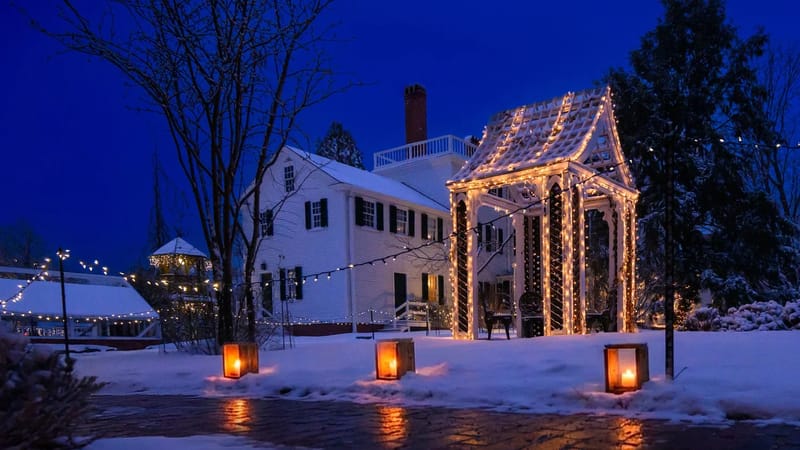
- String lights or fairy lights draped across the top of your tent create warmth and draw the eye from a distance.
- Clip-on spotlights or LED puck lights can highlight specific products or display areas.
- Battery-powered LED strips under shelves or along the front of your table add a subtle glow.
- A small ring light behind your products creates a professional backlit effect.
Lighting is especially important for evening markets, indoor venues, and fairs that run into dusk. The booths with lights on are the booths people walk toward.
Think Like a Shopper Walking Past
You have about two seconds to grab someone's attention as they walk down the aisle. They're making a snap decision: stop here or keep walking. Your booth needs to win that decision before the shopper is even close enough to see individual products.
From 15 feet away, a shopper should be able to:
- See your signage clearly (business name, what you sell).
- Notice something visually interesting — color, height, light, movement.
- Get a sense of what kind of products you have.
What doesn't work from 15 feet away:
- A flat table with items lined up in rows.
- Small, detailed products with no signage or context.
- A dark booth with no visual pop.
A bold backdrop (fabric, a printed banner, a pegboard wall with products), a well-lit display piece, or even just strong color coordination can be the difference between a stop and a walk-by.
Keep Your Product Line Focused
This one is counterintuitive for many new vendors: don't show off everything you can make. If you do woodwork, pottery, jewelry, and candles, pick one — maybe two — for any given fair.
When shoppers see a focused product line, they perceive you as a specialist. Specialists command higher prices and more trust. A booth full of unrelated items reads as a garage sale, even if every piece is beautifully made.
If you genuinely have two strong product categories, consider giving each its own section of the booth with distinct displays. But if you can narrow it down to one cohesive collection, your booth will look more polished, more intentional, and more professional.
Use Signage to Do the Selling
Good signage works while you're busy with another customer, taking a break, or just giving a shopper space to browse:
- Business name and tagline — large, readable from across the aisle.
- Price tags on every item — shoppers will put something down and walk away rather than ask the price. Make it easy.
- A "how it's made" card — a small sign explaining your process, materials, or story gives browsers a reason to engage. "Hand-forged from reclaimed barn steel" is more compelling than a blank table.
- Social media handle — a small sign with your Instagram or website. Not everyone buys on the spot, but they might follow you and buy later.
The Booth Checklist
Before you open for the day, do a quick walk-around and check:
- Can someone read your business name from 15 feet away?
- Is your best product at eye level?
- Does the booth have at least 2–3 levels of height?
- Is every product clearly priced?
- Does the booth look inviting — not cluttered, not empty?
- Is the lighting working?
- Would you stop here if you were walking past?
If any answer is no, fix it before the doors open. First impressions happen fast.
Featured High-Presentation Fairs
Practice your display skills at juried fairs where booth presentation directly impacts acceptance and sales success:
Paradise City Arts Festival - Fall 2026 — Juried Massachusetts fair where display quality influences buyer perception and sales
68th Annual Mystic Outdoor Art Festival 2026 — Connecticut's prestigious outdoor art show; professional booth setup expected
Stowe Foliage Arts Festival 2026 — Vermont's premier foliage-season art and craft event with high-quality vendor standards
More Vendor Tips
This post is part of our vendor guide series for craft fair sellers in New England. Combine display skills with these other essentials to maximize your sales:
- So You Want to Be a Craft Fair Vendor — the complete beginner's guide
- How Many Items Should You Bring? — a simple inventory formula
- Best Payment Apps for Vendors — Square, Stripe, PayPal Zettle, and more
- Do You Need Vendor Insurance? — what it covers and where to get it
- How to Build an Email List at Craft Fairs — turn fair shoppers into repeat customers
State-Level Craft Fair Guides
Ready to find craft fairs in your state? These guides break down the best events and tips for each region:
- Craft Fairs in Maine 2026: A Vendor's and Visitor's Guide — Maine's top events and vendor tips
- Craft Fairs in New Hampshire 2026: A Vendor's and Visitor's Guide — New Hampshire's premier craft fair circuit
- Craft Fairs in Vermont 2026: A Vendor's and Visitor's Guide — Vermont's artisan markets and fairs
- Craft Fairs in Massachusetts 2026: A Vendor's and Visitor's Guide — Massachusetts craft fairs and events
State-Level Fair & Festival Guides
Looking for fairs and festivals across the broader New England region? Check out these comprehensive state guides:
- Connecticut Fairs and Festivals 2026: Your Complete Guide — Connecticut's festivals, agricultural fairs, and vendor opportunities
- Rhode Island Fairs and Festivals 2026: Your Complete Guide — Rhode Island's annual events and craft fair circuit
Boost Your Booth With Maine Made Branding
If you're based in Maine, the Maine Made program provides free branding materials and booth signage specifically designed to help vendors stand out at events. A Maine Made certification signals quality and local craftsmanship to fair shoppers — and the program handles the design work for you.
Last updated: April 2026